Common Winter Ailments in Pets: Symptoms to Watch For

Common Winter Ailments in Pets: Symptoms to Watch For
As the Pittsburgh winter settles in, you might notice changes in your pet’s behavior or health that leave you wondering if the colder weather is to blame. At Family Vet Care Center, located at 2402 Oxford Drive, Bethel Park, PA 15102, our veterinary team understands how winter pet illnesses can sneak up on even the hardiest cats and dogs. With chilly temperatures, icy sidewalks, and dry indoor air, the season can bring on a host of issues, from respiratory troubles to joint stiffness. This guide will help you recognize pet cold symptoms, understand why these issues occur, and know when to seek professional veterinary services in Bethel Park and surrounding communities. You’ll also learn what you can do at home to keep your pet comfortable until their next wellness visit.
If your pet seems under the weather this winter, our veterinarians are here to help. We encourage you to schedule an appointment for a thorough checkup or to discuss any concerns you may have about your pet's health. For pets showing early signs of illness, our sick appointments offer compassionate, expert care to get your furry companion back to feeling their best.
Recognizing Pet Cold Symptoms and Other Winter Illnesses
How to Spot Illnesses Early in Cats and Dogs
When winter arrives in Bethel Park, you may notice subtle shifts in your pet’s behavior or appearance. Early recognition of pet cold symptoms is key to preventing more serious issues. Symptoms of winter pet illnesses in dogs and cats can include sneezing, runny nose, coughing, watery eyes, and lethargy. Some pets might develop a mild fever, lose interest in food, or seem less playful than usual. Respiratory problems tend to surface more often during colder months, especially when pets are exposed to drafts or sudden temperature changes. In addition to respiratory concerns, cold weather can worsen joint pain in older pets, leading to stiffness, reluctance to move, or difficulty getting up after resting.
Other warning signs to watch for are dry or cracked paw pads, excessive licking of the feet, and limping after walks on icy sidewalks. Cats may be less likely to venture outdoors but can still experience dry skin and sneezing from changes in indoor humidity. If you notice your pet hiding more than usual, shivering, or breathing noisily, these could be subtle signs of discomfort or illness brought on by winter conditions.
Disease Patterns Unique to Winter in Pittsburgh
Winter in Pittsburgh brings with it cold snaps, snow, and an increase in time spent indoors. These changes can set the stage for several common ailments in local pets. One of the most frequently seen concerns is upper respiratory infections, which are contagious and can easily spread in environments where pets are in close quarters, such as boarding facilities or during indoor playdates. Dry indoor heating can cause dehydration and lead to dry, itchy skin or aggravated allergies.
Another issue that arises is the worsening of arthritis or joint disease. When temperatures dip, inflammation in the joints can increase, making every step more painful for pets with pre-existing conditions. Ice and snow can also create hazards outdoors, resulting in injuries like sprains or frostbite, particularly on sensitive paw pads and ear tips. Additionally, the temptation to use antifreeze and ice-melting chemicals increases during winter, which can pose toxic risks if pets come into contact with treated surfaces and then groom themselves.
Factors That Make Pets More Vulnerable During Cold Months
Several factors contribute to the rise of winter pet illnesses in Bethel Park. Young puppies and kittens are particularly susceptible to respiratory infections because their immune systems are still developing. Senior pets, especially those with chronic health issues like heart disease or diabetes, may have a harder time regulating body temperature and are at higher risk for complications from cold exposure.
Breed type and coat length also play a role. Short-haired dogs and cats, or breeds that are not naturally adapted to cold climates, tend to experience pet cold symptoms more severely. Additionally, pets who spend a lot of time outdoors without adequate shelter or who have had recent surgeries may be more vulnerable to hypothermia or frostbite.
Finally, many pets get less exercise in winter, which can weaken immune function and contribute to weight gain. Reduced activity can also make signs of arthritis or stiffness more noticeable, as pets are less inclined to stay active in cold weather.
Treatment and Management: What to Expect from Your Veterinarian in Bethel Park
Diagnostics and Care for Winter Pet Illnesses
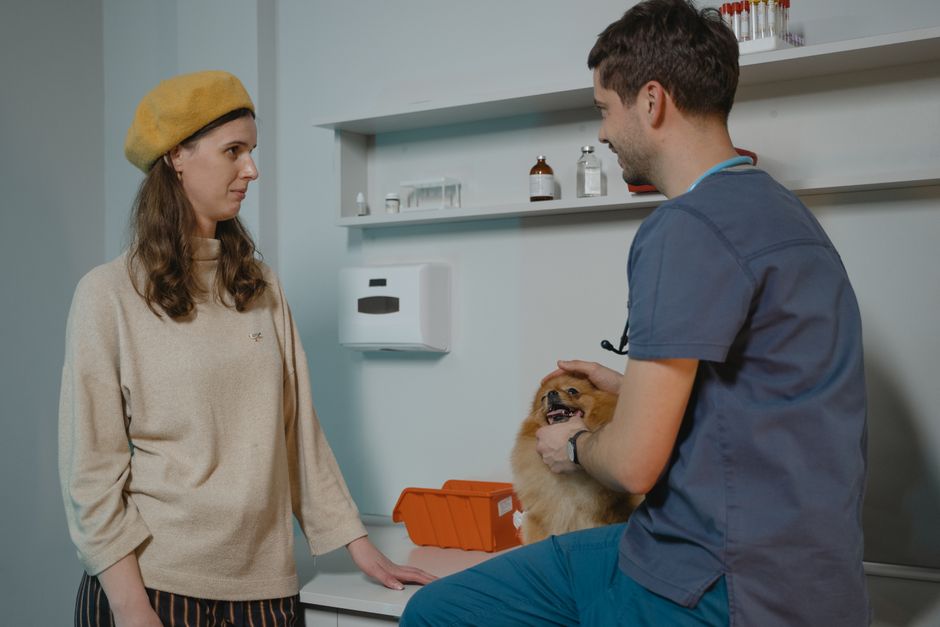
If your dog or cat is showing signs of illness this winter, the expert veterinarians at Family Vet Care Center offer a range of diagnostic and treatment options tailored to the unique needs of each pet. When you bring your pet in for a sick appointment, our veterinary team will perform a thorough physical examination, checking for common pet cold symptoms like nasal discharge, cough, swollen glands, and changes in breathing patterns. Depending on the symptoms, additional diagnostics such as bloodwork, radiographs, or even specialized tests may be recommended to pinpoint the cause.
Treatment approaches for winter pet illnesses in Bethel Park may involve supportive care, such as fluids to prevent dehydration, medications to relieve congestion, and recommendations for rest and warmth. For pets with joint pain or arthritis, our veterinarians may suggest pain management plans, supplements, or adjustments to your pet’s activity routine. If a bacterial infection is present, antibiotics may be prescribed, while viral infections are typically managed with supportive care.
For more information about how our veterinary team manages illness, you can explore our sick appointments service page. If your pet requires ongoing medication, our pet health medication resources provide additional support for managing chronic conditions during the winter months.
Managing Chronic Conditions and Complications
Pets with pre-existing health issues might need extra attention as temperatures drop. Our team can help you adjust your pet’s care plan to address seasonal challenges, whether that means modifying medication schedules, recommending joint supplements, or advising on safe exercise routines. In some cases, pets suffering from severe respiratory symptoms or those at risk of complications may require more advanced diagnostics or hospitalization for intensive care.
Throughout your visit, our veterinarians will discuss your pet’s unique risk factors and develop a personalized plan to keep them comfortable and healthy throughout the winter. We are committed to providing compassionate, comprehensive veterinary services in Bethel Park and supporting you at every step of your pet’s care journey.
Preventing Winter Pet Illnesses at Home
Practical Steps to Protect Your Pet
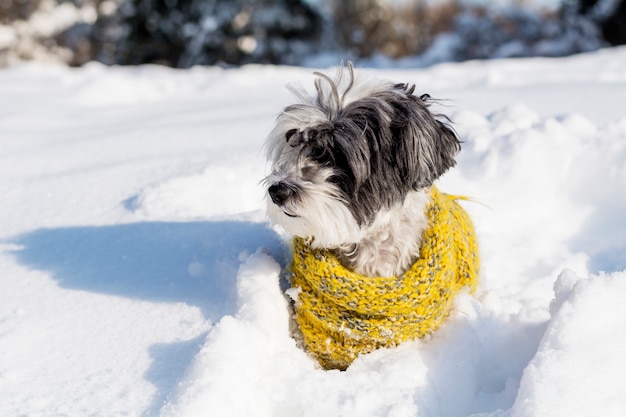
While not every illness can be avoided, there are several proactive measures you can take to reduce your pet’s risk of developing pet cold symptoms during the colder months. Ensuring your pet stays warm and dry is essential; this might mean providing a cozy bed away from drafts, using pet-safe blankets, or limiting outdoor time during especially frigid days. For dogs who enjoy walks, consider using pet-safe booties to protect paws from ice and salt, and always wipe their feet after outings to remove any chemicals or irritants.
Maintaining proper hydration is crucial, as indoor heating systems can dry out the air and dehydrate your pet faster. Offering fresh water in multiple locations and using a humidifier can help. Regular grooming is also important; keeping your pet’s coat clean and free of mats allows for better insulation and helps you spot any skin problems early.
For pets prone to joint pain or arthritis, gentle exercise indoors, such as interactive toys or short play sessions, can keep muscles limber without exposing them to the cold. Nutritional support, including omega-3 fatty acids or veterinarian-recommended supplements, may further protect joint health.
Monitoring for Symptoms and Early Intervention
Stay vigilant for any changes in your pet’s behavior or appearance. If you notice sneezing, coughing, a decrease in appetite, or signs of discomfort, it’s wise to monitor closely and reach out to your veterinarian if symptoms persist. Early intervention is key to preventing minor issues from developing into more serious illnesses.
Scheduling regular wellness examinations, especially for adult and senior pets, helps catch health concerns before they become severe. To learn more about preventive care options, you can visit our adult and senior pet wellness page for resources and tips tailored to your pet's life stage.
When to Seek Veterinary Services in Bethel Park for Winter Illnesses
Knowing When Professional Help Is Needed
While many mild cases of sneezing or sniffles can pass with home care, there are situations where your pet needs to see a veterinarian immediately. If your pet develops persistent coughing, labored breathing, high fever, severe lethargy, or stops eating for more than 24 hours, these are signs that a more serious problem may be developing. Other red flags include vomiting, diarrhea, blood in nasal discharge, or sudden changes in mobility or alertness.
For pets with chronic conditions like diabetes, heart disease, or immune system compromise, even mild symptoms should be evaluated promptly to avoid complications. In the case of suspected poisoning from antifreeze or exposure to ice-melting chemicals, seek help without delay, as these substances can be life-threatening.
Our veterinary team at Family Vet Care Center is dedicated to providing prompt, thorough care for pets experiencing winter pet illnesses in Bethel Park. Scheduling a sick appointment allows us to address symptoms early and prevent complications, ensuring your pet recovers quickly and comfortably.
How to Find the Best Vet Near Me for Winter Pet Illnesses
Searching for a "vet near me" in the Bethel Park area during the winter months can provide peace of mind for pet owners who want local, accessible care. Choosing a clinic familiar with the unique challenges of Western Pennsylvania winters ensures your pet receives targeted, effective treatment. At Family Vet Care Center, our veterinarians are experienced in managing pet cold symptoms and supporting the health of dogs and cats throughout the changing seasons.
Keeping Your Pet Healthy All Winter Long
As winter brings new challenges for pets in Bethel Park and surrounding communities, staying informed and proactive can make all the difference in your pet's comfort and wellbeing. Recognizing pet cold symptoms early, providing a warm and safe environment, and seeking veterinary care as needed are the best ways to safeguard your furry companion’s health. Remember that prevention is key; regular wellness visits and open communication with your veterinarian create a strong foundation for your pet’s year-round health.
If you notice any signs of winter pet illnesses or want to discuss the best ways to protect your pet this season, we invite you to schedule an appointment with our veterinary team at 2402 Oxford Drive, Bethel Park, PA 15102. Our team is committed to providing quality veterinary services near you, with compassionate care tailored to every stage of your pet’s life. To book your visit or talk with one of our veterinarians, call (412) 851-3707. For more tips and resources on keeping your pet healthy throughout the year, explore our blog or visit our adult and senior pet wellness page.
Your pet’s health, comfort, and happiness are our top priorities this winter and beyond. If you’re searching for the best vet near me or need help managing pet cold symptoms in Bethel Park, Family Vet Care Center is here for you every step of the way.
Disclaimer: This article is for informational purposes only and should not replace professional veterinary advice. If your pet is ill or you have concerns about their health, contact your veterinarian for a comprehensive evaluation. For urgent issues, seek immediate veterinary care. For additional resources on winter pet safety, you can visit the American Veterinary Medical Association and Cornell University College of Veterinary Medicine.