Holiday Pet Safety in Bethel Park: Winter Hazards to Avoid

Holiday Pet Safety in Bethel Park: Winter Hazards to Avoid
As the holiday season approaches in Bethel Park, many pet owners find themselves juggling festive preparations while keeping their furry family members safe and comfortable. Between bustling gatherings, chilly walks, and tempting seasonal treats, our pets are exposed to unique risks this time of year. At Family Vet Care Center, located at 2402 Oxford Drive, Bethel Park, PA 15102, we understand how much your pets mean to you. Our veterinary team is here to help you navigate the winter months with confidence, offering guidance on holiday pet safety in Bethel Park and advice for preventing winter hazards for pets.
In this blog, you’ll discover how to recognize seasonal dangers, understand why they happen, and learn practical steps to keep your dogs and cats out of harm’s way. Whether you’re scheduling preventive care or need help with sudden illness, our veterinarians are ready to support you and your pet’s health through every season. If you’re looking for a "vet near me" who can provide comprehensive care for winter wellness, you’re in the right place. We’ll also highlight how our wellness care for adult and senior pets can keep your pet protected all year long.
Recognizing Holiday and Winter Hazards for Pets in Bethel Park
As temperatures drop and festivities ramp up, it’s important to know what winter hazards for pets look like in Bethel Park and surrounding communities. The most common dangers this season include accidental exposure to toxic foods, cold-related injuries, and stress from changes in routine or environment.
Symptoms of trouble can be subtle at first. Signs your pet may be struggling with a holiday or winter hazard include shivering, limping, or reluctance to go outside, which could signal cold-related discomfort or even frostbite. Gastrointestinal upset, such as vomiting or diarrhea, may occur if your pet sneaks a bite of holiday treats like chocolate, grapes, or foods containing xylitol. Lethargy, drooling, or unsteady movements can also indicate accidental ingestion of harmful substances, such as antifreeze or certain holiday plants. Behavioral changes, like hiding, vocalizing more than usual, or showing signs of anxiety, can result from unfamiliar guests or holiday noise.
In older pets or those with chronic conditions, symptoms may be more subtle. You might notice increased stiffness, difficulty rising, or a loss of interest in play. Puppies and kittens are especially vulnerable to hypothermia, as their small bodies lose heat quickly. Recognizing these warning signs early can make a critical difference in your pet’s recovery and well-being.
Why Are Winter and Holiday Hazards so Common for Pets?
The unique climate of Pittsburgh and Bethel Park means cold snaps, icy sidewalks, and snowy yards are regular features of the winter months. These elements contribute to a range of seasonal hazards. Ice-melting chemicals used on driveways and sidewalks can stick to your pet’s paws and fur, leading to irritation or accidental ingestion during grooming. Additionally, pets may be tempted to drink from puddles that contain dangerous substances like antifreeze, which is highly toxic even in small amounts.
Inside the home, holiday celebrations often introduce new items that can pose risks. Foods like chocolate, raisins, and sugar-free desserts are tempting to pets but can lead to serious illness if consumed. Decorations, including tinsel, ribbons, and electric lights, attract curious cats and playful dogs, increasing the risk of intestinal blockages or electrical shocks. Certain plants, such as poinsettias, lilies, and mistletoe, are also hazardous if chewed.
Changes in household routine, guests coming and going, and increased noise levels can create stress, especially for pets who thrive on predictability. Stress can weaken the immune system, making your pet more susceptible to illness. For puppies and kittens in Bethel Park, the winter season can be especially challenging, as their developing bodies are less resilient to cold and stress.
How Family Vet Care Center Treats and Manages Winter Hazards for Pets
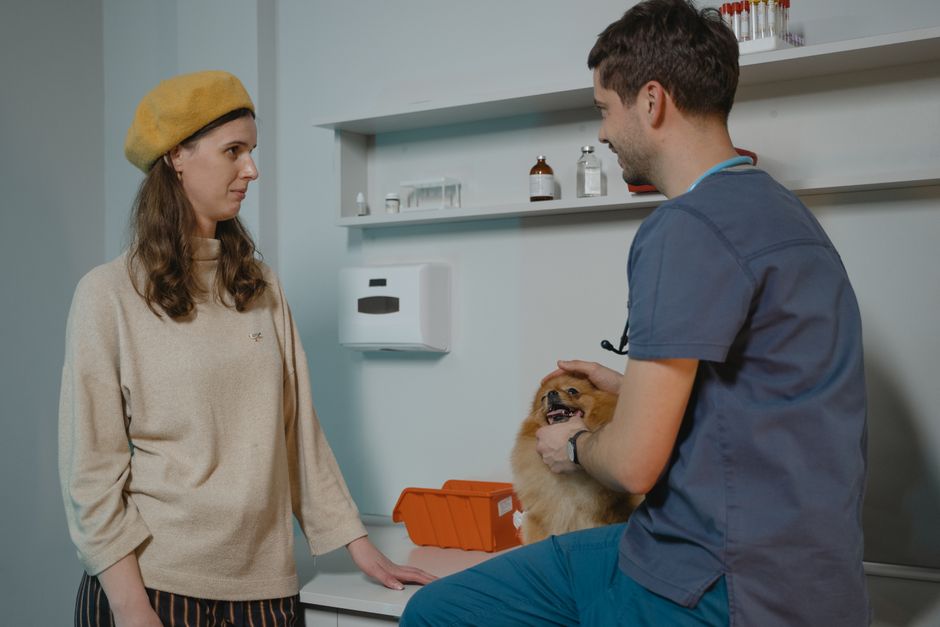
If your pet is affected by a holiday or winter hazard, prompt veterinary care is essential. At Family Vet Care Center, our veterinary professionals are equipped to handle a wide range of seasonal emergencies, from gastrointestinal upsets caused by toxic foods to injuries resulting from slips on icy surfaces.
Treatment approaches for pets exposed to toxins often involve inducing vomiting (if appropriate and within a safe timeframe), administering activated charcoal to limit absorption, and providing intravenous fluids to support organ function. Our veterinarians may also recommend diagnostic tests, such as bloodwork or digital radiology, to assess the extent of the problem. When a pet suffers from hypothermia or frostbite, we use gentle rewarming techniques, pain management, and wound care to support recovery.
For pets experiencing stress or anxiety related to holiday disruptions, our team may suggest behavior modification strategies or, in some cases, safe and effective medications. Puppies and kittens receive special attention to ensure they remain warm, hydrated, and protected from infectious diseases, which are more prevalent during winter. If your young pet is due for a checkup or vaccinations, our puppy and kitten care services can help safeguard their health throughout the season.
Our clinic’s adult and senior pet wellness programs are designed to detect and manage age-related conditions that may be aggravated by cold weather. By partnering with you for regular wellness exams, we can identify subtle changes early and provide tailored recommendations for your pet’s unique needs.
Preventing Winter Hazards: Home Care Tips for Bethel Park Pet Owners
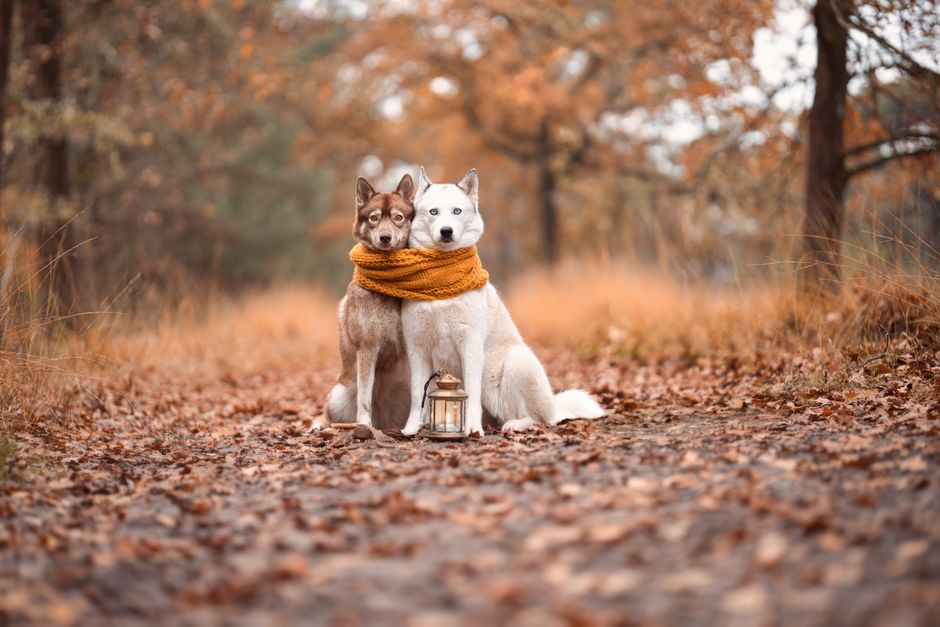
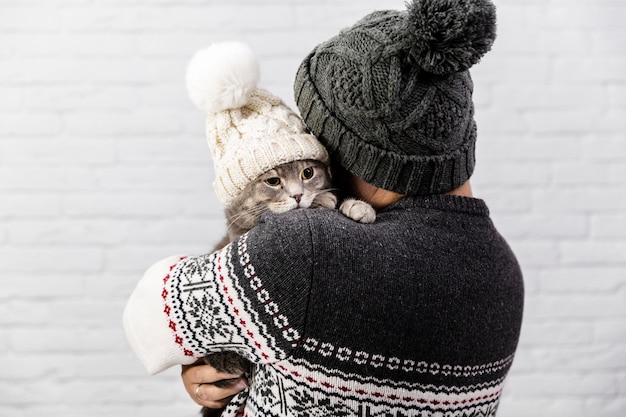
Taking proactive steps to prevent holiday and winter hazards for pets can reduce your pet’s risk of injury or illness. When heading outdoors, make sure your pet is dressed appropriately for the weather. Smaller breeds, puppies, kittens, and senior pets often need an extra layer, such as a sweater or coat, to retain body heat. Limit outdoor time during extreme cold and always supervise pets when they are outside.
After walks, wipe your pet’s paws and belly to remove ice, salt, and chemicals. This simple habit not only prevents skin irritation but also reduces the risk of accidental ingestion. Store all antifreeze, de-icers, and holiday treats well out of reach, and clean up any spills immediately. Be mindful of holiday decor; secure electrical cords, keep tinsel and ribbons away from playful mouths, and place toxic plants in areas inaccessible to pets.
Maintain a consistent routine to help your pet feel secure amidst the holiday bustle. If you are hosting gatherings, create a quiet, comfortable space where your pet can retreat if they feel overwhelmed. Monitor guests to ensure no one feeds your pet table scraps or leaves harmful items unattended. For pets with chronic health conditions, schedule a wellness check before winter arrives to update medications and discuss any concerns with our veterinarians.
If you have recently welcomed a new puppy or kitten, follow our puppy and kitten care guidelines for vaccinations, parasite prevention, and nutrition to build strong immunity during their first winter.
When to Seek Veterinary Care for Winter and Holiday Hazards
Knowing when to call your veterinarian can save precious time in an emergency. Immediate attention is warranted if your pet displays symptoms such as persistent vomiting or diarrhea, difficulty breathing, seizures, loss of consciousness, or suspected exposure to toxins like chocolate, antifreeze, or lilies. Signs of frostbite include pale, cold skin that may turn red or black, especially on the ears, tail, or paws. Hypothermia may present as shivering, weakness, or confusion.
If your pet is limping, showing signs of pain after a fall, or has ingested a foreign object such as tinsel or ribbon, prompt evaluation is necessary. In any situation where you are unsure, err on the side of caution and contact our veterinary team. For non-urgent issues, such as mild digestive upset or anxiety, scheduling a sick pet appointment allows our veterinarians to provide timely care and recommendations.
Remember that preventive care is your best defense against many winter hazards. Our wellness programs for adult and senior pets in Bethel Park are tailored to help you stay ahead of seasonal risks, while regular pet vaccination services protect against infectious diseases that can circulate during the colder months.
Keeping Your Pet Safe and Happy This Holiday Season
Your pet’s safety and happiness are at the heart of everything we do at Family Vet Care Center. By staying alert to the unique holiday and winter hazards for pets in Bethel Park, you can enjoy peace of mind throughout the festive season. Remember that our veterinary professionals are always here to answer your questions, provide preventive care, and step in when urgent needs arise.
If you have concerns about your pet’s health, want to schedule a wellness check, or need advice on winter pet safety, please reach out to our team. Call us at (412) 851-3707 to schedule an appointment or visit our Bethel Park location. For trusted guidance from a "vet near me," our experienced veterinarians are ready to help. Protect your companion with local expertise in holiday pet safety Bethel Park and let us support you with quality veterinary services near me this winter.
This article is intended for general informational purposes only and does not substitute for professional veterinary diagnosis or care. If your pet is experiencing an emergency, please contact our clinic or an emergency veterinarian immediately. For more information on winter pet safety, you may also refer to trusted resources such as the American Veterinary Medical Association.