Late Summer Pet Allergies: How to Help Your Dog or Cat

Late Summer Pet Allergies: How to Help Your Dog or Cat
As late summer settles over Bethel Park, many pet owners notice a sudden uptick in sneezing, itching, and paw licking in their dogs and cats. If your pet seems more uncomfortable than usual this time of year, you are not alone. Seasonal allergies can make life miserable for pets and their owners alike, but with the right support and veterinary care, you can help your furry family member feel better. At Family Vet Care Center, located at 2402 Oxford Drive, Bethel Park, PA 15102, our team of veterinarians is committed to providing compassionate, effective relief for dogs and cats struggling with allergies. In this guide, we will explore how to recognize seasonal allergy symptoms, understand what causes them, discuss management options, and highlight when it is time to seek professional veterinary care. Whether you are caring for a playful puppy, a senior cat, or any pet in between, you will find practical tips and expert advice to help keep your loved ones comfortable through the late summer months.
How to Recognize Late Summer Allergies in Your Dog or Cat
Late summer in Bethel Park brings a burst of pollen, mold spores, and other allergens that can trigger uncomfortable symptoms in pets. Recognizing the signs early is the first step toward helping your dog or cat feel better. Common allergy symptoms include persistent scratching, chewing or licking at the paws, red or inflamed skin, and frequent ear shaking or head tilting. You might also notice watery eyes, sneezing, or a runny nose, especially after your pet spends time outdoors. Cats may develop scabs or bald spots from overgrooming, while dogs might show hot spots or recurring ear infections. Sometimes these symptoms develop gradually, making it easy to overlook the connection to seasonal changes.
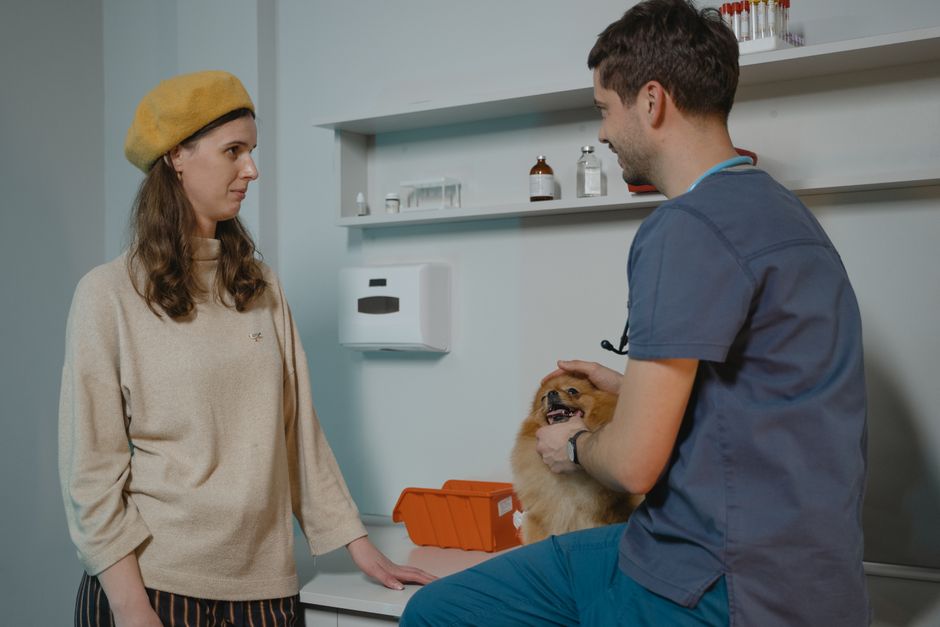
If your pet is suddenly scratching more often, spending extra time licking their feet, or seems restless at night, allergies may be to blame. Keep an eye out for secondary issues, such as hair loss or skin infections, which can develop when pets break the skin through constant itching. Allergies can also cause a general decline in comfort and mood, leading to lethargy or irritability. If you are not sure whether your pet’s symptoms are allergy-related, our veterinary team at Family Vet Care Center can help you determine the underlying cause through a sick appointment evaluation.
Why Do Pets Develop Allergies in Late Summer?
Understanding what causes allergies in dogs and cats can help you take proactive steps to reduce your pet’s discomfort. In late summer, the environment in Bethel Park is filled with allergens such as ragweed pollen, grass seeds, and mold spores that thrive in warm, humid conditions. These substances can irritate your pet’s skin, nose, and eyes, leading to classic allergy symptoms.
Dogs and cats can develop allergies at any age and are often more sensitive to environmental triggers during certain seasons. Inhaled allergens are common culprits, but contact with grasses, weeds, or even household dust can also set off a reaction. Some pets are genetically predisposed to allergies, meaning their immune systems are more likely to overreact to harmless substances. Additionally, pets with existing skin or ear problems may be more susceptible to allergic flare-ups.
Food allergies can sometimes mimic seasonal allergies, but if symptoms only appear or worsen during late summer, environmental factors are usually to blame. It is important to note that allergies are not contagious, and they tend to persist or recur each year once a pet becomes sensitized. If you are unsure about the cause of your pet’s symptoms, our experienced veterinarians can help you pinpoint triggers and develop a targeted plan.
Treatment and Management Options for Pet Allergies
Helping your pet manage allergies often requires a combination of at-home care and professional veterinary support. Our team at Family Vet Care Center is equipped to diagnose and treat a wide range of allergy-related conditions, from mild skin irritation to severe secondary infections. Treatment approaches involve several steps, tailored to the severity and type of allergy affecting your dog or cat.
For mild symptoms, managing your pet’s environment can make a significant difference. Wiping your pet’s paws after walks, keeping fur trimmed, and using air purifiers at home can help reduce allergen exposure. Bathing your dog with a veterinarian-recommended hypoallergenic shampoo can soothe irritated skin and wash away pollen. For cats, regular grooming and keeping windows closed on high-pollen days may help limit flare-ups.
When symptoms persist or worsen, our veterinarians may recommend medications such as antihistamines, prescription topical treatments, or anti-itch medications to provide relief. In some cases, pets develop skin or ear infections that require antibiotics or antifungal medications. For pets with chronic or severe allergies, your veterinarian may suggest allergy testing to identify specific triggers, followed by immunotherapy or other targeted treatments.
Our pet health medication resources page offers information on the medications we may prescribe and tips for administering them safely at home. Every pet is unique, so we tailor our treatment plans to your dog or cat’s specific needs, always aiming for the most comfortable, effective outcome.
Preventing and Managing Allergies at Home
While professional treatment is essential for moderate to severe allergies, there are several steps you can take at home to help minimize your pet’s discomfort. Consistent paw cleaning after outdoor activities removes pollen and irritants before they can cause trouble. Washing your pet’s bedding regularly and vacuuming carpets can reduce exposure to dust, mold, and other allergens inside your home.
Try to walk your dog during times of day when pollen counts are lower, such as early morning or after a rain shower. Keeping cats indoors during peak pollen periods can also help. Using a HEPA air filter in your main living areas may reduce airborne allergens. Regular grooming helps remove loose fur and pollen, and for dogs, trimming the hair between the toes and around the ears can reduce the chance of irritation.
Avoid using harsh cleaning products or scented sprays around your pet, as these can exacerbate allergy symptoms. If your pet is on any medications for allergies, follow your veterinarian’s instructions carefully. For new puppies or kittens, starting preventive care early, including puppy and kitten wellness visits, can help identify allergies before they become a bigger problem.
When to Bring Your Pet to the Veterinarian
Although many allergy symptoms can be managed at home, there are times when professional veterinary care is essential for your dog or cat’s health. If your pet’s itching leads to open sores, hair loss, or signs of infection such as redness, swelling, or a foul odor, it is time to schedule an appointment. Persistent scratching that interferes with sleep, constant licking of the paws, or ear problems that do not resolve quickly all warrant a visit to your veterinarian.
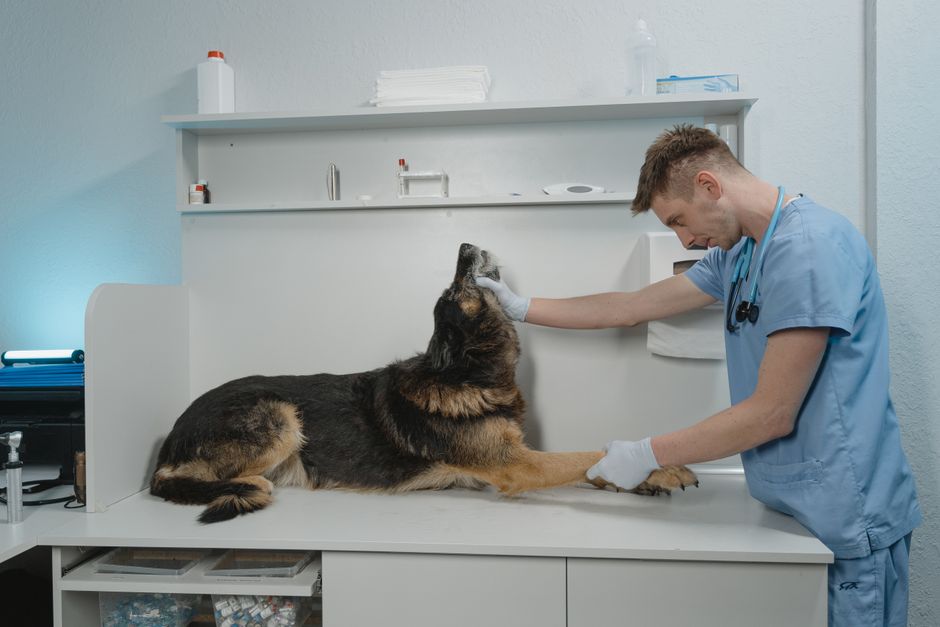
You should also seek veterinary attention if your pet develops hives, facial swelling, difficulty breathing, or sudden vomiting, as these may indicate a severe allergic reaction requiring immediate care. Chronic issues, such as repeated ear infections or skin infections, often signal an underlying allergy that needs targeted treatment. Our veterinary team can perform a comprehensive examination, discuss potential triggers, and recommend the best course of action for your pet. For ongoing health, regular adult and senior pet wellness care is important for monitoring allergies and other chronic conditions.
If you are ever unsure whether your pet’s symptoms require veterinary attention, it is always better to err on the side of caution and consult with our experienced team.
Keeping Bethel Park Pets Comfortable Through Allergy Season
Late summer allergies are a common struggle for dogs and cats in Bethel Park and surrounding communities, but relief is possible with the right support. By recognizing the signs of seasonal allergies, understanding their causes, and taking proactive steps at home, you can make a real difference in your pet’s comfort. When symptoms persist or become severe, the experienced veterinarians at Family Vet Care Center are here to help with personalized care and effective treatment options.
If you are searching for a vet near me who understands the challenges of seasonal allergies and offers comprehensive, compassionate care, reach out to our team. Schedule an appointment at Family Vet Care Center by calling (412) 851-3707 or visiting us at 2402 Oxford Drive, Bethel Park, PA 15102. You can also explore our blog for more pet health tips and seasonal advice.
Remember, you do not have to navigate allergy season alone. Our veterinary professionals are dedicated to helping your dog or cat find comfort and relief, so you can both enjoy the rest of summer together. If you have any questions or concerns, do not hesitate to contact us for expert guidance and care.