Beat the Heat: Summer Safety Tips for Pittsburgh Pets

Beat the Heat: Summer Safety Tips for Pittsburgh Pets
As the days grow longer and the temperatures climb in Pittsburgh, many pet owners find themselves worrying about how to keep their dogs and cats safe from the dangers of heat and humidity. At Family Vet Care Center, we understand how important your pets are to your family, and we want to help you navigate the challenges of summer so your four-legged companions can enjoy the season safely. In this blog, we will discuss the most common summer hazards for pets in Pittsburgh, how to recognize signs of heat stress, tips for keeping your pets hydrated, ideas for safe rainy-day activities, and when it’s time to reach out to our veterinary team for help. Whether you’re in Pittsburgh or the surrounding communities, our goal is to provide practical guidance so your pet stays happy and healthy all summer long.
Recognizing Heat Stress in Dogs and Cats
Summer in Pittsburgh often brings high temperatures paired with sticky humidity, which can be tough on pets. Recognizing the early signs of heat stress is crucial for preventing serious health issues. Dogs and cats are more sensitive to heat than many people realize, and some breeds, such as Bulldogs, Pugs, and Persian cats, are especially at risk due to their short snouts and compromised breathing.
Key symptoms of heat stress in pets include excessive panting, drooling, bright red gums, rapid heartbeat, and weakness. You might notice your dog seeking shade or lying flat on cool surfaces, while cats may become unusually restless or lethargic. In more severe cases, pets may vomit, collapse, or even experience seizures. These symptoms can develop rapidly, so it’s vital to monitor your pets closely during hot and humid days, especially if they spend any time outdoors or in non-air-conditioned spaces.
If you notice your pet acting out of character, such as refusing food, appearing disoriented, or breathing with difficulty, these may also be subtle signs that the heat is taking a toll on their system. Understanding what to look for can help you act quickly before the situation becomes an emergency.
Why Do Pets Overheat? Understanding the Risks
Dogs and cats do not sweat the way humans do. Instead, they rely mostly on panting and a small amount of sweating through their paw pads to regulate body temperature. When the air is humid, as it often is in Pittsburgh’s summer months, it becomes harder for pets to cool themselves effectively. This is why even a short walk in the midday sun or a few minutes in a parked car can be dangerous.
Certain risk factors increase the likelihood of overheating. These include breed predispositions, age (very young and senior pets are at higher risk), underlying health conditions like heart or respiratory problems, being overweight, and even the color or thickness of your pet’s coat. Pets with dark or long fur absorb more heat from the sun and may struggle to cool down.
Environmental factors can also play a big role. Hot pavement can burn your pet’s paws and radiate heat back onto their bodies. Lack of shade in the yard or on walks, and poor ventilation indoors or in vehicles, further increase the risk. Even on overcast or rainy days, humidity can sneak up on you and your pet, making it harder for them to stay cool.
How Family Vet Care Center Treats Heat-Related Illness
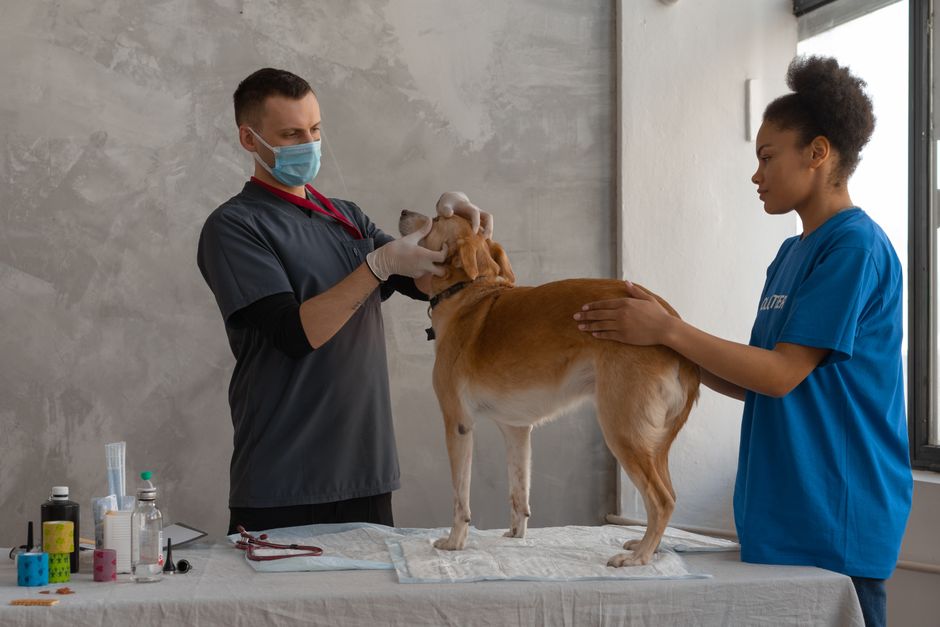
If your dog or cat shows signs of heat exhaustion or heatstroke, prompt veterinary intervention is essential. At Family Vet Care Center, our experienced veterinarians are equipped to assess your pet’s condition and provide the necessary supportive care. Treatment approaches involve immediate cooling steps, such as applying cool—not cold—water to your pet’s body, offering small sips of water, and using fans to help with evaporation. In the clinic, we may administer intravenous fluids to correct dehydration and electrolyte imbalances, monitor vital signs closely, and provide oxygen therapy if your pet is struggling to breathe.
Our veterinary team will also check for complications such as organ damage, which can occur if a pet’s body temperature remains too high for too long. Additional care may include medications to address shock or control seizures if they occur. Every case is unique, so our team tailors each treatment plan to your pet’s specific needs, always prioritizing safety and comfort.
Remember that home remedies can only go so far—severe heatstroke is a medical emergency. Quick action and professional care give your pet the best chance for a full recovery.
Keeping Pets Safe at Home: Hydration and Summer Care Tips
Prevention is the best defense against heat stress. There are several practical steps you can take at home to keep your dog or cat comfortable during Pittsburgh’s summer months. Ensuring your pet always has access to fresh, cool water is essential. Change the water frequently throughout the day, and consider adding ice cubes to your pet’s bowl for an extra chill.
Limiting outdoor activity during the hottest part of the day, usually between 10 a.m. and 4 p.m., is another important preventive measure. Opt for early morning or late evening walks when the sun is less intense and pavement is cooler. Check the pavement temperature by placing your hand on it for a few seconds—if it’s too hot for your hand, it’s too hot for your pet’s paws.
Create cool resting areas indoors by drawing the curtains, using fans or air conditioning, and providing cooling mats or damp towels for your pet to lie on. For cats, make sure their favorite napping spots are away from direct sunlight. If your pet likes to spend time on the porch or in the yard, set up shaded areas with access to water and always supervise them closely.
Grooming can also help, but never shave your pet without consulting a veterinarian. For some breeds, their coat protects against sunburn and helps regulate temperature. Regular brushing removes excess hair and can reduce the risk of overheating.
Rainy Day Safety: Preventing Heat and Humidity Hazards Indoors
While summer storms may bring relief from the heat, they can also create new hazards for pets. High humidity indoors, power outages, and changes in routine can all impact your pet’s comfort and safety. During rainy spells, make sure your home stays well-ventilated and that your pet’s bedding stays dry and clean. Monitor indoor temperatures, especially if you lose air conditioning during a storm.
To keep pets entertained and mentally stimulated on rainy days, rotate toys, set up indoor play sessions, or try food puzzles. Cats often enjoy birdwatching from a safe window perch, while dogs may appreciate short games of hide-and-seek or scent-based activities.
If your pet is anxious during storms, create a quiet, safe space for them to retreat. Close windows and curtains to muffle thunder, and consider using calming pheromone sprays or diffusers. If storm anxiety is severe, speak with our team about additional options for comfort and behavior support.
When to Contact Your Veterinarian
Knowing when to seek veterinary care can be lifesaving. If your pet shows signs of heatstroke, such as excessive panting, drooling, vomiting, collapse, or unresponsiveness, contact Family Vet Care Center immediately. Even if symptoms seem mild, it is always better to err on the side of caution, as heat-related illness can escalate quickly.
Other situations that warrant a call to your veterinarian include persistent lethargy after outdoor activity, refusal to drink or eat, limping or paw injuries from hot surfaces, and changes in breathing or behavior that do not resolve within a short time.
Our veterinary team is here to answer your questions and guide you through any concerns about your pet’s health. For non-emergency issues, you can schedule an appointment for a thorough wellness check or to discuss preventive care options customized for your dog or cat’s summer needs.
Keeping Your Pet Cool: Summer Wellness Starts with You
As temperatures rise in Pittsburgh and the surrounding communities, taking a proactive approach to summer pet care will help ensure your dog or cat enjoys the season without the risk of heat-related illness. By staying alert to the signs of heat stress, providing plenty of fresh water, and creating a pet-friendly environment at home, you can make a big difference in your pet’s comfort and safety.
If you have any questions about your pet’s summer safety, or if you notice any concerning symptoms, the veterinary team at Family Vet Care Center is ready to help. Schedule an appointment by calling (412) 851-3707, or visit us conveniently in Pittsburgh, PA. When searching for a veterinarian near me, choose a team dedicated to your pet’s wellbeing—your pet’s health and happiness are always our top priority.
Disclaimer: This blog is for educational purposes only and is not a substitute for professional veterinary advice. If you have concerns about your pet’s health, please consult with your veterinarian promptly. For emergencies, seek immediate veterinary care.