Keeping Cats and Dogs Safe from Summer Parasites


Keeping Cats and Dogs Safe from Summer Parasites
As the warm months settle over Bethel Park and the surrounding communities, many pet owners find themselves worrying about fleas, ticks, and heartworms threatening their cats and dogs. Summer is prime time for these parasites, and their risks are more than just an itchy nuisance. At Family Vet Care Center, located at 2402 Oxford Drive, Bethel Park, PA 15102, our team of veterinarians understands how important it is to protect your pet’s health year-round, especially during the high-risk summer season. In this blog, you’ll discover which parasites are most common in our area during July, how to spot the signs of an infestation, prevention strategies you can use at home, and when it’s time to schedule an appointment for professional parasite prevention and treatment.
Whether your pet is a playful puppy, a curious kitten, or a senior companion, we’re here to help you navigate the challenges of summer parasites in southwestern Pennsylvania. Read on to learn more about keeping your furry family members safe and healthy all season long.
Recognizing the Signs of Summer Parasites in Cats and Dogs
Understanding when your pet might be dealing with a parasite problem is the first step in effective prevention and treatment. Common signs that your dog or cat may be affected by fleas include persistent scratching, red or irritated skin, tiny black specks (flea dirt) in their fur, and visible discomfort, especially around the tail, belly, or neck. In some cases, you might spot actual fleas moving quickly through your pet’s coat.
Ticks can be harder to notice, but you may find a small, round bump on your pet’s skin where a tick has attached. If you regularly check your pet’s ears, armpits, and between the toes after outdoor activities, you can catch ticks before they become a problem. Lethargy, decreased appetite, and unexplained fever may develop if a tick has transmitted a disease.
Heartworm disease is a more insidious threat because early symptoms are often subtle or absent. Over time, you might notice coughing, fatigue after moderate activity, weight loss, or labored breathing. Cats can display sudden signs such as vomiting, coughing, or even sudden collapse. Since heartworm can be fatal if left untreated, recognizing these subtle changes is crucial.
If you notice any of these symptoms, it is important to consult with a veterinary professional. Our urgent care services are available for pets showing acute symptoms or sudden changes in health.
Why Are Parasites Such a Problem in Bethel Park Summers?
The climate in southwestern Pennsylvania creates the perfect environment for parasites to thrive from late spring through early fall. Fleas flourish in warm, humid conditions, multiplying rapidly in shaded yards, under decks, and inside homes. Tick populations surge in grassy or wooded areas, especially near parks and hiking trails found throughout Bethel Park and neighboring communities. Even brief outdoor excursions can put your cat or dog at risk for picking up ticks, which are known carriers of Lyme disease, ehrlichiosis, and other dangerous infections.
Heartworm risk increases in the summer because mosquitoes, the only insects capable of spreading heartworm larvae, are most active during these months. All it takes is a single mosquito bite for your pet to become infected. While both dogs and cats are susceptible to heartworm, dogs tend to be more frequently diagnosed due to their outdoor activities and the longer lifespan of the worms in canine hosts.
Beyond the immediate discomfort, these parasites can lead to severe or life-threatening illnesses. Fleas can trigger allergic reactions and transmit tapeworms, ticks can cause chronic joint pain or organ damage, and heartworm can permanently harm your pet’s heart and lungs. With these risks in mind, proactive parasite prevention is essential for every pet in Bethel Park during the summer.
Professional Treatment and What to Expect at Family Vet Care Center
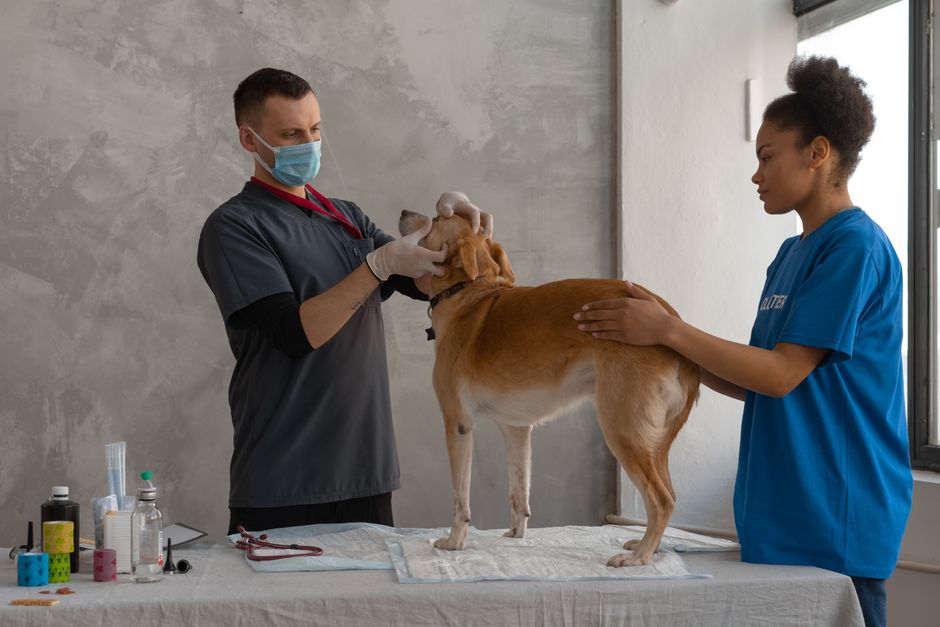
When you bring your pet to Family Vet Care Center for parasite concerns, our veterinary team will begin with a thorough physical examination. For flea or tick infestations, we check your pet’s skin and coat, discuss their recent exposure to outdoor areas, and may recommend diagnostic tests to rule out tick-borne diseases or flea allergy dermatitis. In cases where heartworm is a concern, especially for dogs, we perform a blood test to check for heartworm antigen or microfilariae.
Treatment for fleas and ticks typically involves prescription-strength topical or oral medications that eliminate adult parasites and prevent future infestations. We may also recommend medicated shampoos or sprays for severe cases. If your pet has developed skin infections or allergic reactions, additional medications might be prescribed to relieve inflammation and itching. For tick removal, our veterinarians use safe techniques to ensure the tick is fully extracted and the risk of disease transmission is minimized.
Heartworm disease requires a more complex approach. For dogs testing positive, treatment involves a carefully monitored regimen of injectable medications and strict exercise restriction. Cats diagnosed with heartworm may require supportive care since there is no approved treatment for feline heartworm disease; our focus is on managing symptoms and enhancing quality of life.
If your pet is due for a wellness check or if you are concerned about exposure to parasites, our adult and senior pet wellness services provide a comprehensive approach to preventive care, including parasite screening and tailored recommendations for year-round protection.
Preventing Parasites at Home: Proactive Steps for Pet Owners
Prevention is always more effective and less stressful than dealing with a full-blown infestation. In Bethel Park’s climate, year-round parasite prevention is truly necessary for both indoor and outdoor pets. Key steps involve using veterinarian-recommended monthly preventives for fleas, ticks, and heartworm. Our team can help you choose products tailored to your pet’s age, species, lifestyle, and health needs. For puppies and kittens, starting a preventive routine early is critical; our puppy and kitten care programs include guidance on safe and effective parasite control from the start.
Maintaining a clean home environment significantly reduces the risk of flea infestations. Regularly washing your pet’s bedding, vacuuming carpets and upholstery, and promptly addressing any signs of fleas will limit their ability to multiply indoors. Outdoor yard maintenance, such as mowing grass and removing leaf litter, helps minimize tick habitats near your home.
For heartworm prevention, ensure your pet receives their monthly preventive medication on schedule. Missing even one dose can leave your pet vulnerable to infection, especially during peak mosquito season. Many products offer combined protection against multiple parasites, providing convenient and comprehensive coverage.
Do not rely solely on over-the-counter products, as some may be ineffective or even harmful to certain breeds or species. Consult with our team for safe, proven options and personalized recommendations.
When Should You Seek Veterinary Care for Parasites?
While some mild cases of fleas or ticks might seem manageable at home, professional veterinary care is essential if you notice persistent symptoms, signs of discomfort, or any evidence of parasites despite preventive efforts. Veterinary intervention is especially important if your pet displays severe itching, hair loss, skin infections, pale gums, persistent coughing, difficulty breathing, or sudden lethargy. These could indicate complications such as anemia, allergic reactions, tick-borne diseases, or heartworm infection that require immediate attention.
You should also contact our team if you discover a tick attached for more than 24 hours, as this increases the risk of disease transmission. For heartworm prevention and testing, annual veterinary visits are strongly recommended. If your pet is a young puppy or kitten, starting prevention early as part of their wellness plan sets the foundation for lifelong health.
Our pet health medication resources offer information about the safest and most effective prescription options available. If you are unsure which products are best for your cat or dog, or if your pet has a history of adverse reactions, our veterinarians are always available to provide guidance and support.
Why Ongoing Parasite Prevention Matters for Every Pet
Consistent, year-round parasite control does more than protect your pet from seasonal discomfort; it helps prevent serious illnesses that can impact your pet’s quality of life and longevity. Preventive care is especially crucial in a region like Bethel Park, where mild winters and humid summers allow fleas, ticks, and mosquitoes to remain active for longer periods than many owners expect.
Regular discussions with your veterinary team ensure your pet’s prevention plan is current and effective. As your pet ages, their risk factors may change, and new products or protocols may become available. By prioritizing preventive care, you help your pet avoid unnecessary suffering and costly treatments down the road.
Finding a Trusted "Vet Near Me" for Summer Parasite Protection
When searching for a vet near me to help with summer parasite prevention and treatment, look for a veterinary care center that offers comprehensive wellness services, up-to-date preventive products, and a compassionate, knowledgeable team. At Family Vet Care Center, we are dedicated to supporting pet owners throughout Bethel Park and the surrounding communities with personalized recommendations, advanced diagnostics, and a full range of medical and pharmacy services.
If you are concerned about parasites or want to start your cat or dog on a prevention plan, we invite you to schedule an appointment with our team of veterinarians. You can find us at 2402 Oxford Drive, Bethel Park, PA 15102. For questions or to book your visit, call (412) 851-3707. We are here to answer your questions, recommend the best parasite prevention options, and ensure your beloved pet enjoys a safe, comfortable summer.
For additional information about our preventive and wellness services, explore our adult and senior pet wellness offerings or review our pet health medication resources. Your pet’s health and happiness are our highest priorities—let us help you keep them safe from summer parasites all year long.
This blog is intended for informational purposes only and should not be considered a substitute for professional veterinary advice. Always consult your veterinarian for specific guidance regarding your pet’s health.