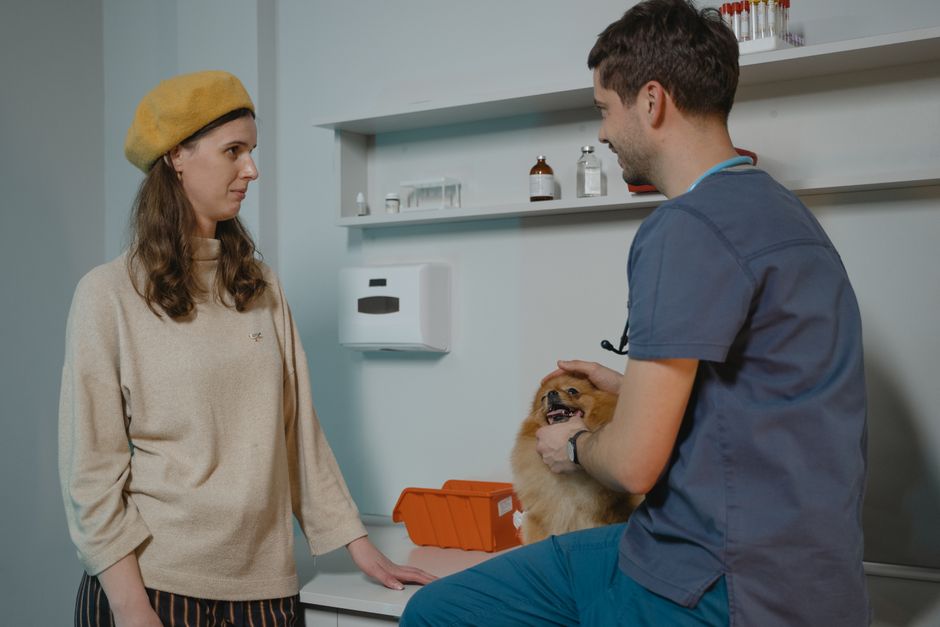
How to Safely Bandage Your Cat’s Injury at Home


How to Safely Bandage Your Cat’s Injury at Home
If you’ve noticed a minor wound on your cat, it’s natural to feel concerned and want to help them heal as comfortably as possible. Understanding how to apply a cat bandage properly can make a meaningful difference while you wait for your next veterinary appointment. At Family Vet Care Center, conveniently located at 2402 Oxford Drive, Bethel Park, PA 15102, our team of veterinarians is dedicated to supporting pet owners throughout Bethel Park and surrounding communities with advice on minor wound care, as well as comprehensive medical services for more serious concerns. In this blog, we’ll walk you through recognizing when home bandaging is appropriate, explain the basics of cat bandage techniques, discuss steps you can take to keep your cat safe and comfortable, and clarify when to reach out for professional care. If your cat ever seems unwell or their injury is more than a minor scrape, our sick appointments are available to help you get answers and peace of mind.
Recognizing When Your Cat Needs a Bandage
Cats are excellent at hiding discomfort, so it’s important to know what signs indicate that your pet might benefit from a cat bandage. Common situations where home bandaging may be considered include minor cuts, small abrasions, or superficial wounds that are not actively bleeding heavily and don’t expose deeper tissues. Warning signs that your cat’s injury is minor enough for home support include a small, shallow scrape or a surface scratch with minimal swelling and no signs of infection, such as pus or a foul odor. If your cat continues to eat, drink, and behave normally, and the wound is not located on the face, near the eyes, or on the tail tip, temporary at-home care may be suitable. On the other hand, deeper wounds, bleeding that does not stop within five minutes, or injuries near sensitive areas always require immediate veterinary attention. If your cat is limping, excessively licking the wound, or acting lethargic, it’s best to call our team for guidance.
Signs That a Cat Bandage Is Appropriate
Key indicators that your cat may benefit from a cat bandage include having a small wound on a limb or paw that is not bleeding significantly and does not appear to cause severe pain. Additionally, if the area is clean, free from debris, and your cat is not persistently disturbing it, gentle bandaging may support healing until your next appointment. Remember, even seemingly minor wounds can become infected quickly, so monitoring your cat’s behavior and the wound’s appearance is essential during home care.
Understanding Why Cat Wounds Occur
Cats are curious by nature, and their adventurous spirits can sometimes lead to minor injuries. Scratches and small cuts often result from rough play with other animals, climbing outdoor fences, or simply exploring new spaces at home. In some cases, sharp household objects or accidental snags on furniture can create wounds that require attention. The skin on a cat’s legs and paws is particularly prone to injury, especially in active pets. Environmental factors such as icy sidewalks, rough terrain, or even salted winter roads in Bethel Park can increase the risk of paw pad abrasions or small cuts during colder months. Understanding how these injuries happen can help you prevent future incidents and recognize when prompt care is needed.
When Wounds Can Become Complicated
While many minor wounds heal with basic cleaning and protection, cat injuries can become problematic if bacteria enter the site. Cats’ mouths and claws carry bacteria that may lead to infection if a wound is left untreated or improperly bandaged. Unnoticed injuries can also worsen as cats lick or bite at the affected area, increasing the risk of delayed healing or more serious complications. This is why even small wounds should be monitored closely for changes in appearance or behavior.
Cat Bandage Techniques: How to Bandage Your Cat’s Injury at Home
If you’re caring for a minor wound at home, applying a cat bandage correctly is key to protecting the area and encouraging healing. Begin by washing your hands thoroughly to avoid introducing bacteria. Gently clean the wound with lukewarm water or a veterinarian-recommended antiseptic solution, avoiding hydrogen peroxide or alcohol, which can be too harsh for feline skin. If the wound is dry and no longer bleeding, place a sterile, non-stick pad over the area. Wrap the pad with a soft, self-adhesive bandage or gauze, ensuring it is snug but not tight enough to restrict circulation. Take care to leave toes visible if bandaging a paw, so you can monitor for swelling or color changes that may indicate poor blood flow. If your cat seems distressed or tries to remove the bandage, use an Elizabethan collar to prevent them from licking or chewing.
Tips for Keeping Your Cat Comfortable
Ensuring your cat’s comfort during the bandaging process involves working in a calm, quiet environment and enlisting the help of another person to gently restrain your pet if needed. Speak softly and move slowly to minimize stress. Reward your cat with gentle praise and treats once the bandage is in place. Check the bandage at least twice daily for signs of slipping, moisture, or swelling, and replace it with a clean one if it becomes soiled. Remember, a cat bandage is a temporary solution and should never be left on for more than 24 to 48 hours unless directed by your veterinarian.
When Professional Bandaging Is Needed
Some injuries require more than basic at-home care. For wounds that are deep, located near joints, or show signs of infection, professional veterinary support is essential. Our experienced veterinary team at Family Vet Care Center can provide advanced wound management, surgical repair if necessary, and guidance on the best home care practices for your cat’s specific needs. If your pet is due for a routine checkup or you’ve noticed changes in their health, consider scheduling an adult and senior pet wellness visit to get ahead of potential health issues.
Preventing Wounds and Promoting Healing at Home
While accidents happen, there are steps you can take to reduce your cat’s risk of injury. Keep sharp objects, breakable items, and hazardous household supplies out of reach. Regularly inspect your home and outdoor spaces for potential dangers such as exposed nails, loose wires, or rough surfaces that could cause scrapes. Providing safe outlets for play and climbing, such as sturdy cat trees, can help satisfy your cat’s curiosity without increasing their risk of harm. During colder months in Bethel Park, wipe your cat’s paws after outdoor adventures to remove salt and debris, which can lead to irritation or minor wounds.
Supporting Recovery After an Injury
To foster healing, keep the affected area clean and dry, and prevent your cat from licking or biting at their bandage. Monitor for signs of swelling, redness, or discharge, which may indicate infection. Offer your cat a quiet, comfortable space to rest away from other pets and children. Encourage gentle activity to maintain circulation, but discourage excessive jumping or running until the wound has healed. Follow any specific care instructions provided by your veterinarian and never hesitate to contact us if you notice changes or worsening symptoms.
When to Seek Veterinary Help for Your Cat’s Injury
While minor wounds can sometimes be managed at home, there are clear warning signs that indicate the need for prompt veterinary care. Seek immediate assistance if your cat’s wound is deep, actively bleeding, or located near the eyes, mouth, or joints. Additional reasons to call your veterinarian include persistent swelling, foul odor, pus, or visible foreign objects in the wound. If your cat becomes lethargic, loses their appetite, or exhibits changes in behavior, it’s time to schedule an appointment. Cats with underlying health conditions, such as diabetes or immune suppression, are also more susceptible to infection and complications, so err on the side of caution.
Family Vet Care Center Is Here to Help
Our team of veterinarians at Family Vet Care Center in Bethel Park understands how stressful it can be to care for an injured pet. We encourage you to reach out for guidance or to schedule a sick appointment if you have any concerns about your cat’s wound or overall well-being. Timely professional intervention can make all the difference in your pet’s recovery.
Conclusion: Keeping Your Cat Safe and Healthy With Proper Wound Care
Caring for minor cat injuries at home can be manageable when you know how to apply a cat bandage safely and when to seek help from the professionals. By recognizing warning signs, using appropriate at-home techniques, and staying vigilant about changes in your pet’s condition, you can support your cat’s healing and comfort. Remember, the veterinary team at Family Vet Care Center is dedicated to helping pets and their families throughout Bethel Park and neighboring communities with expert advice, preventive care, and advanced medical services. If you’re ever unsure about a wound or notice any alarming symptoms, it’s always best to consult a veterinarian.
If you’re searching for a vet near me who can guide you through wound care, preventive medicine, and ongoing support, look no further than Family Vet Care Center. To discuss your cat’s injury, arrange a wellness visit, or get help with applying a cat bandage, call us at (412) 851-3707 or visit our sick appointments page for more information. Your cat’s health, safety, and comfort are always our top priorities.
This blog is for informational purposes only and is not a substitute for professional veterinary advice. Always contact your veterinarian for specific questions regarding your pet’s health or before beginning any new treatment at home.
For additional trusted resources on cat first aid and wound care, you can visit the American Association of Feline Practitioners or the Cornell Feline Health Center.