Humidity Hazards: Preventing Summer Hot Spots in Pets

Humidity Hazards: Preventing Summer Hot Spots in Pets
Summer in Bethel Park brings plenty of opportunities for outdoor adventures with your dog or cat, but it also ushers in high humidity that can create challenges for pet skin health. If you have noticed your pet scratching, licking, or chewing at their skin more than usual as August’s damp weather settles in, you are not alone. Hot spots, or acute moist dermatitis, are a common summer skin problem among pets in southwestern Pennsylvania. At Family Vet Care Center, located at 2402 Oxford Drive, Bethel Park, PA 15102, our team of veterinarians often sees an uptick in itchy, uncomfortable pets during the warmest months. In this post, we will explain what hot spots are, how to recognize them, why they develop, and—most importantly—how to help your pet avoid and manage these painful lesions. Whether you are curious about home care, seeking tips for prevention, or wondering when it is time for a veterinary visit, you will find practical guidance and expert insight to support your pet’s comfort all summer long.
Recognizing Hot Spots: What Pet Owners Should Watch For
Hot spots can appear suddenly and worsen quickly, so early recognition is key to preventing discomfort and complications. A hot spot is a localized area of inflamed, infected skin that typically looks red, moist, and raw. These spots often arise on areas your dog or cat can easily reach to lick or chew, such as the side of the face, neck, hips, or base of the tail. You might notice your pet incessantly scratching, biting, or rubbing at a particular patch of skin; in some cases, the fur may be missing or matted with saliva.
Symptoms include redness, swelling, and dampness of the skin; as the lesion progresses, it may ooze clear or yellowish fluid and develop a foul odor due to bacterial growth. Your pet may seem restless, more irritable, or less interested in play. Cats can sometimes be more subtle, but you might observe them grooming excessively in one spot or pulling out tufts of fur. If you spot these signs, especially during humid spells, a hot spot could be to blame.
The Causes Behind Hot Spots: Why Summer Humidity Puts Pets at Risk
Hot spots are triggered when the skin’s natural barrier is disrupted, allowing bacteria to invade and multiply. Summer humidity in Bethel Park and surrounding communities contributes to this problem by keeping your pet’s coat damp for longer periods, particularly after swimming, rolling in wet grass, or even just lying in a shady spot on a humid afternoon.
Common causes include underlying allergies—such as reactions to pollen, grass, or fleas—that make your pet itchy in the first place. When your pet scratches or licks to relieve the itch, it creates tiny breaks in the skin. Moisture trapped in the fur, especially in thick-coated or long-haired breeds, provides the perfect environment for bacteria to thrive. Dogs and cats with dense undercoats, such as Golden Retrievers or Maine Coons, are particularly susceptible. Additionally, pets with chronic skin conditions or those who suffer from anxiety-related grooming behaviors may be at higher risk. Even a minor scrape or insect bite can set off a cycle of irritation that quickly escalates into a painful hot spot.
Treating and Managing Hot Spots: What to Expect at the Vet
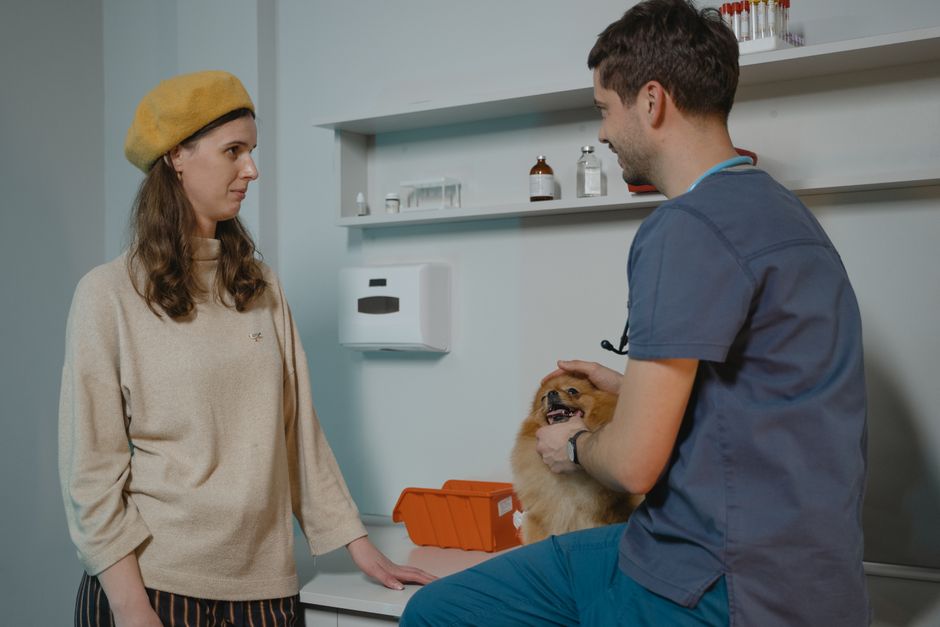
If you suspect your pet has developed a hot spot, a veterinary visit is crucial for proper diagnosis and treatment. At Family Vet Care Center, our veterinary professionals will start with a thorough examination to assess the affected area and identify any underlying issues such as fleas, allergies, or skin infections.
Treatment approaches involve gently clipping the fur around the lesion to expose the skin, followed by cleansing the area with a mild antiseptic solution. Depending on the severity, your veterinarian may prescribe topical or oral antibiotics to address bacterial infection, as well as anti-inflammatory medications to reduce pain and itching. In some cases, a short course of steroids may be recommended to control inflammation and break the itch-scratch cycle.
Your veterinarian will also address underlying causes, such as recommending a flea prevention protocol or investigating possible allergies. You may be advised to use an Elizabethan collar (e-collar) to prevent your pet from licking or chewing the area while it heals. Follow-up care often includes instructions for keeping the area clean, monitoring for recurrence, and returning for rechecks if the lesion does not improve within a few days.
If your pet’s hot spot is accompanied by other signs of illness—such as lethargy, loss of appetite, or widespread skin involvement—our team may recommend additional diagnostic tests to rule out underlying systemic issues. For pets that develop frequent skin problems, a comprehensive wellness exam can help identify contributing factors and support long-term skin health.
Preventing Hot Spots at Home: Practical Tips for Pet Owners
Prevention is always preferable to treatment, especially when it comes to hot spots that can cause significant discomfort for your pet. Keeping your pet’s skin healthy during Pittsburgh’s humid summer months requires a proactive approach.
Regular grooming is essential; brushing your pet’s coat several times a week helps remove loose fur, prevents matting, and improves air circulation against the skin. After your dog swims or gets wet from rain or baths, thoroughly towel-dry their coat and use a blow dryer on a cool setting if needed, especially for thick or long-haired breeds. Checking areas where moisture tends to collect—such as behind the ears, under the collar, and around the tail—can help you catch small problems before they escalate.
Flea prevention is another key factor, as flea bites are a common trigger for hot spots. Ask your veterinarian about safe, effective flea control options for your pet. If your dog or cat has known allergies, work with your veterinary team to identify and manage triggers; this might include regular cleaning of bedding, using air filters, or adjusting your pet’s diet.
Monitor your pet’s behavior, especially during heatwaves or after outdoor play. If you notice your pet starting to lick or scratch persistently, inspect their skin carefully and address any minor irritations right away. Keeping your pet stress-free and mentally stimulated can also reduce the risk of anxiety-driven grooming behaviors that contribute to skin trauma.
When to Seek Veterinary Care: Knowing When Hot Spots Need Professional Attention
Not all skin irritations require immediate veterinary care, but hot spots can worsen rapidly and lead to deeper infections if left untreated. You should schedule an appointment at Family Vet Care Center if your pet’s skin lesion appears red, moist, or swollen; if the area seems painful or continues to grow; or if your pet is unable to leave the spot alone. Hot spots that are oozing, foul-smelling, or causing your pet to act lethargic or lose their appetite require prompt evaluation.
If your pet has a history of recurring skin issues or if you are struggling to control itching and licking at home, our team can help design a personalized skin health plan. For pets experiencing more generalized or severe symptoms, a sick appointment can ensure that underlying health conditions are identified and addressed appropriately.
Remember, delaying treatment can allow a minor irritation to become a much larger problem, so it is always better to err on the side of caution and consult with your veterinarian.
Supporting Your Pet’s Skin Health All Summer Long
Hot spots are an unwelcome part of summer for many pets, but with early recognition, prompt treatment, and preventive care, you can help your dog or cat stay comfortable and enjoy the season. Regular grooming, effective flea prevention, and keeping your pet’s coat clean and dry are all steps you can take at home, but professional guidance is essential when skin issues arise.
At Family Vet Care Center, we are committed to helping Bethel Park pets and their families navigate seasonal challenges with compassion and expertise. If you have questions about your pet’s skin health or need support managing acute or chronic skin concerns, our veterinary team is here to help. Searching for a veterinarian near me in Bethel Park? Schedule an appointment with our experienced veterinarians by calling (412) 851-3707 or visiting us at 2402 Oxford Drive, Bethel Park, PA 15102. For more educational resources and pet care tips, explore our veterinary blog.
Your pet’s comfort and wellbeing are our top priorities, all year long. If you notice any signs of hot spots or have concerns about skin health, do not hesitate to reach out—early action makes all the difference.