Protect Your Pet’s Smile: October Guide to Pet Dental Care

Protect Your Pet’s Smile: October Guide to Pet Dental Care
Every October, as the leaves begin to turn in Bethel Park, many pet owners start thinking about cooler weather, cozy evenings, and preparing for the holidays. But have you noticed that your dog or cat’s breath is a little less than fresh? Or maybe you have spotted your pet shying away from their favorite chew toy or leaving food in the bowl. These subtle changes can be early signs of dental disease—a common but often overlooked health issue in both dogs and cats. At Family Vet Care Center, located at 2402 Oxford Drive, Bethel Park, PA 15102, we know how important it is to keep your pet’s smile healthy all year round. This October, we are shining a spotlight on pet dental care to help you recognize the signs of dental disease, understand why it happens, and learn how our veterinary team can support your pet’s oral health with services like professional pet dental cleanings. Read on to discover practical tips for home care and know when to schedule a dental checkup for your pet.
Spotting Dental Problems in Dogs and Cats
While our pets can’t tell us when they have a toothache, they often give us clues through their behavior and eating habits. Recognizing these early signs can help prevent more serious health issues down the road. Common symptoms of dental disease in pets include persistent bad breath, which is often the first thing owners notice. Additionally, you might see red or swollen gums, visible tartar buildup on the teeth, drooling, pawing at the mouth, or difficulty picking up food. In some cases, pets may even drop food, chew only on one side of the mouth, or lose interest in hard treats that they previously enjoyed. Other warning signs are bleeding from the mouth, loose or missing teeth, and swelling around the face or jaw. If your pet seems irritable or less active, dental pain could be the culprit; discomfort in the mouth often leads to changes in mood and energy.
Cats can be especially skilled at hiding discomfort, so watch for subtle signs such as decreased grooming, drooling, or a sudden preference for soft foods. In dogs, signs like excessive licking, reluctance to play with toys, or changes in eating behavior can also indicate oral discomfort. Even if your pet isn’t showing obvious symptoms, underlying dental disease is still possible. Regular dental checkups are essential because many problems develop below the gumline, where they are not visible during a quick glance at home.
Why Dental Disease Happens: Causes and Risk Factors
Dental disease in pets is more than just a cosmetic issue; it’s the result of a complex interplay between bacteria, diet, genetics, and age. Plaque—a sticky film of bacteria—begins to form on your pet’s teeth within hours after eating. If not removed through regular brushing or professional cleaning, this plaque hardens into tartar, which irritates the gums and leads to inflammation known as gingivitis. Over time, untreated dental disease can progress to periodontitis, where the structures supporting the teeth become damaged, possibly resulting in tooth loss or serious infections that can affect the heart, liver, and kidneys.
Small breed dogs and certain cat breeds are more prone to dental issues due to the shape of their jaws and teeth. Older pets are also at higher risk, as cumulative tartar buildup and years of chewing can take a toll on oral health. Diet plays a significant role; pets who eat mostly soft or wet food often develop more plaque, while chewing on appropriate toys or dental treats can help reduce buildup. Genetics, immune system health, and underlying conditions like diabetes can further influence your pet’s risk for dental problems.
Environmental factors matter as well. In Bethel Park and the surrounding communities, pets that spend time outdoors may be exposed to different bacteria or may chew on sticks and rocks, leading to broken or worn teeth. Every pet’s risk profile is unique, which is why a personalized approach to dental care is so important.
Professional Pet Dental Care: What to Expect
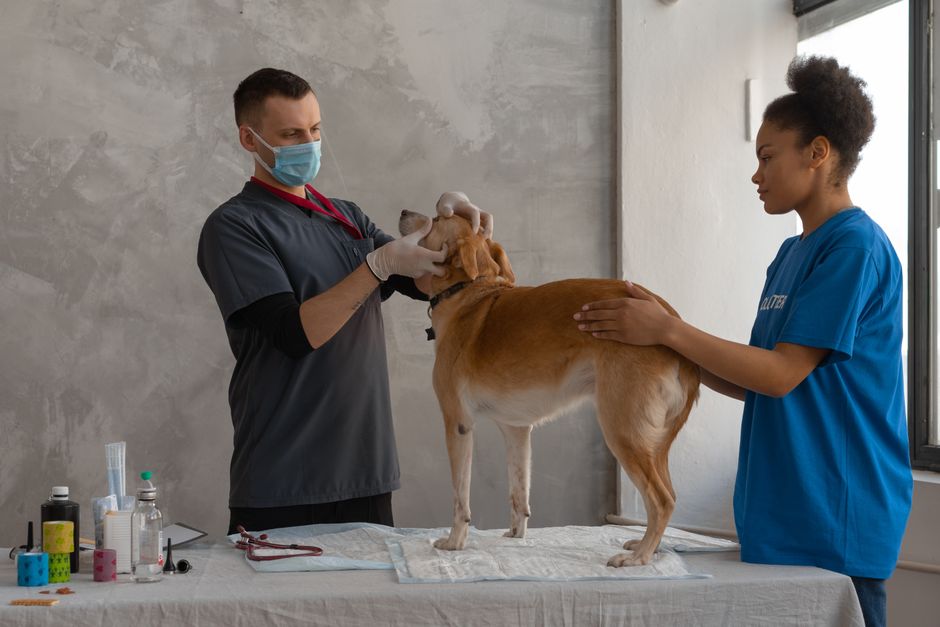
When it comes to maintaining your pet’s oral health, professional veterinary dental care is essential. At Family Vet Care Center, our experienced veterinary team offers comprehensive dental services for dogs and cats, tailored to meet your pet’s unique needs. A typical dental appointment begins with a thorough oral exam, where we assess your pet’s teeth, gums, and oral tissues for signs of disease. If necessary, we may recommend dental radiography to evaluate hidden issues below the gumline, such as bone loss or abscesses.
During a professional pet dental cleaning, your pet will be placed under anesthesia for safety and comfort. This allows our veterinary professionals to perform a detailed cleaning, scaling away tartar from both above and below the gumline, followed by polishing the teeth to slow future plaque buildup. We carefully examine each tooth for damage or infection and may recommend additional treatments if needed.
If your pet has a damaged, infected, or loose tooth that cannot be saved, our team may recommend tooth extraction. This procedure is performed under anesthesia and is followed by pain management and home care instructions to keep your pet comfortable during recovery. For more complex cases, such as severe oral infections or growths, our practice offers advanced treatments including pet oral surgery, ensuring comprehensive care for even the most challenging dental conditions.
At-Home Dental Care: Tips for Pet Owners
Preventing dental disease starts at home, and your daily efforts make a big difference in your pet’s overall health. Brushing your pet’s teeth is the gold standard for at-home dental care. Use a pet-specific toothbrush and toothpaste, and aim to brush daily or as often as possible. If your dog or cat is new to brushing, start gradually by letting them taste the toothpaste and rewarding them for calm behavior. Over time, work up to gently brushing the outside surfaces of their teeth.
In addition to brushing, dental chews, toys, and treats designed to reduce plaque can be helpful. Look for products approved by the Veterinary Oral Health Council (VOHC) to ensure they are effective and safe. Feeding your pet a diet that promotes oral health—such as dry kibble formulated for dental care—can also help reduce plaque and tartar buildup. Encourage your pet to chew on safe, appropriate toys rather than sticks, rocks, or hard objects that could damage their teeth.
Regularly examine your pet’s mouth at home, checking for changes in breath odor, gum color, or broken teeth. Early detection of problems makes treatment easier and more successful. If you notice anything unusual, schedule a dental evaluation with your veterinarian promptly. Remember, no home care routine can replace the need for regular professional dental cleanings, but your efforts at home will help keep your pet’s mouth healthier between visits.
When to Schedule a Dental Checkup for Your Pet
Knowing when to seek veterinary dental care is crucial for preventing serious health problems. Schedule a dental checkup if you observe symptoms such as persistent bad breath, drooling, swelling around the mouth, difficulty eating, or visible tartar and redness along the gumline. Bleeding from the mouth, loose or missing teeth, and reluctance to play or chew are also signs that warrant prompt attention.
Even if your pet appears healthy, annual dental exams are recommended for all adult dogs and cats. For senior pets or those with a history of dental disease, more frequent checkups may be necessary. Your veterinarian can provide personalized recommendations based on your pet’s age, breed, and overall health status.
Delaying dental care can lead to pain, tooth loss, and infections that may spread to vital organs. If you are ever uncertain about your pet’s oral health, it’s always better to err on the side of caution and schedule an appointment. Early intervention often means simpler, less invasive treatments and a faster return to comfort for your pet.
Why Choose Family Vet Care Center for Your Pet’s Dental Needs
At Family Vet Care Center, we are committed to helping pets in Bethel Park and the surrounding communities enjoy healthier, happier lives through excellent dental care. Our veterinarians have the experience and technology needed to diagnose and treat a wide range of dental conditions, from routine cleanings to advanced oral surgery. We believe in a collaborative approach, partnering with you to create a dental care plan that fits your pet’s lifestyle and health needs.
Our facility offers a comfortable, welcoming environment for both pets and owners. We use state-of-the-art diagnostic tools, including dental radiography, to ensure that no problem goes undetected. Our veterinary team is always available to answer your questions, demonstrate at-home care techniques, and guide you through every step of your pet’s dental journey.
If you are searching for a veterinarian near me who truly understands the importance of pet dental health, look no further than Family Vet Care Center. We proudly serve Bethel Park and neighboring areas, making high-quality veterinary care accessible to your family.
Take the Next Step: Schedule Your Pet’s Dental Checkup Today
Your pet’s smile is more than just adorable—it’s a window into their overall health. Dental disease can be painful and lead to serious complications if ignored, but with regular checkups and effective home care, you can help your pet enjoy a lifetime of healthy, happy moments. This October, make your pet’s dental health a priority by booking a dental exam with our veterinary team.
To schedule an appointment or learn more about our professional pet dental cleaning services, call Family Vet Care Center at (412) 851-3707 or visit us at 2402 Oxford Drive, Bethel Park, PA 15102. Our veterinarians are here to answer your questions and help you develop a personalized dental care plan for your dog or cat. When you need a vet near me who specializes in compassionate, comprehensive dental care, our team is ready to help your pet shine—this October and every month of the year.
This article is intended for informational purposes only and should not be used as a substitute for professional veterinary advice. If you have concerns about your pet’s dental health, please contact your veterinarian for guidance.