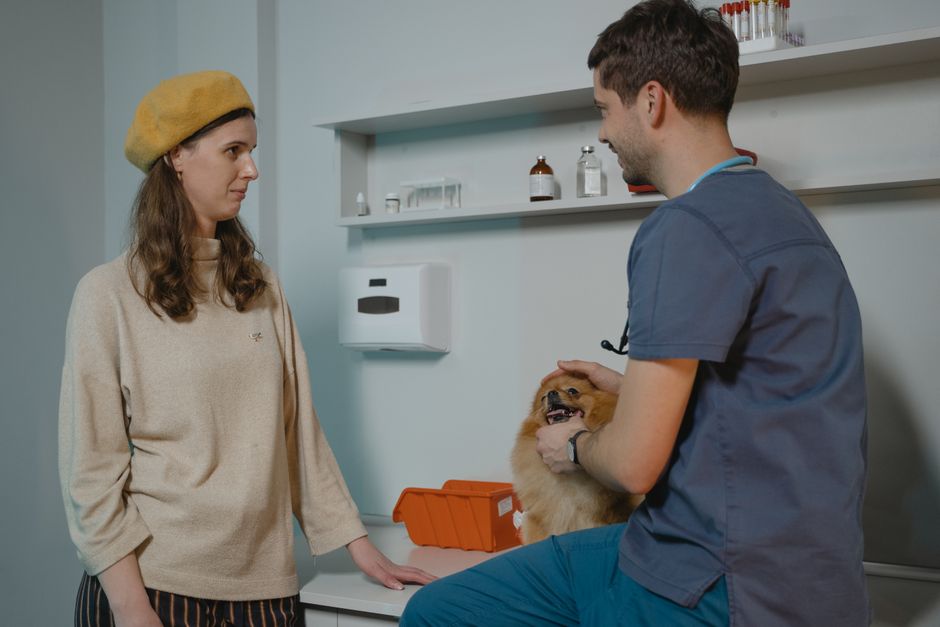
Keeping Pets Active and Healthy Indoors This November


Keeping Pets Active and Healthy Indoors This November
As the crisp November air settles over Bethel Park and the days grow shorter, many pet owners find themselves wondering how to keep their dogs and cats active, happy, and healthy indoors. At Family Vet Care Center, we understand that Pittsburgh winters can put a damper on outdoor playtime for your furry family members. While brisk walks and backyard games may become less frequent, there are still plenty of creative ways to keep your pet moving and mentally engaged right in your own home.
In this guide, our veterinary team in 2402 Oxford Drive, Bethel Park, PA 15102 will share practical tips for indoor exercise, enrichment activities, and wellness routines tailored for local dogs and cats. We will help you recognize when your pet needs more activity, explain why indoor exercise is so important during the colder months, and offer advice on keeping your companion healthy all season long. If you ever need additional guidance, our team is always here to support your pet’s well-being through every season.
Recognizing When Your Pet Needs More Activity
It is not uncommon for pets to become less active as temperatures drop and routines change in the fall and winter. However, reduced activity can lead to both physical and behavioral challenges for your dog or cat. Recognizing the signs that your pet needs more exercise or stimulation can help prevent issues before they arise.
Some of the most common signs include restlessness, such as pacing around the house or excessive barking and meowing. You might also notice weight gain, which can happen if your pet’s calorie intake stays the same while their activity level decreases. Changes in behavior, including destructive chewing, scratching, or a sudden interest in getting into cabinets or trash, may indicate boredom or pent-up energy. For cats, over-grooming or increased vocalization can be signals of stress or lack of stimulation. Dogs may start jumping on furniture more or become more demanding of your attention.
If you spot these behaviors, it is a sign your pet could benefit from more structured play, exercise, or enrichment. Addressing these needs early can support both their physical health and emotional well-being.
Why Indoor Activity Is So Important in November
Colder weather in Bethel Park brings unique challenges for keeping pets active. While a short walk in the brisk air is still possible on milder days, icy sidewalks, freezing temperatures, and early nightfall often make it difficult for dogs and cats to burn off their usual energy outdoors. For many pets, this means a significant reduction in daily movement and mental stimulation.
This decrease in activity can lead to several health risks. Weight gain is one of the most immediate concerns, as pets who are less active are more likely to store excess calories. Over time, this can contribute to obesity, which puts dogs and cats at risk for diabetes, joint problems, and heart disease. Decreased exercise also affects muscle tone, joint flexibility, and cardiovascular health. Beyond the physical effects, less activity can increase stress and anxiety, especially in high-energy breeds or young animals.
Mental stimulation is just as important as physical exercise. Without enough enrichment, pets can become bored or anxious, potentially leading to destructive behaviors or signs of depression. Providing a variety of indoor activities helps keep your pet’s mind sharp and supports their overall happiness.
Creative Indoor Exercise Ideas for Dogs and Cats
Keeping your dog or cat active indoors requires a bit of creativity, but it can be both fun and rewarding for everyone in your household. There are plenty of ways to help pets stay moving and mentally engaged, even when the weather outside is uninviting.
For dogs, classic games like fetch can be adapted for indoor spaces using soft toys or lightweight balls. Tug-of-war is another great option, and many dogs enjoy learning new tricks or practicing obedience commands as part of their daily routine. Setting up an indoor obstacle course using household items such as chairs, cushions, and tunnels can challenge your dog’s agility and encourage them to think. Hide-and-seek games, where you conceal treats or favorite toys for your dog to find, are excellent for both physical activity and mental stimulation.
Cats also thrive on interactive play. Wand toys, laser pointers, and crinkle tunnels can keep your cat chasing and pouncing. Many cats love puzzle feeders or treat-dispensing toys, which encourage natural hunting instincts and prevent boredom. If your cat enjoys climbing, consider installing shelves or a cat tree to provide vertical space for exploration. Rotating your cat’s toys every few days keeps things interesting and encourages more active play.
Both dogs and cats can benefit from short, frequent play sessions throughout the day. Even ten to fifteen minutes of dedicated playtime a few times daily can make a big difference in their overall health.
If you have a new puppy or kitten in your home this winter, early enrichment is especially important. You can find more guidance on age-appropriate activities and wellness tips in our puppy and kitten care resource.
Enrichment and Mental Stimulation: Beating the Winter Blues
Physical exercise is only part of the equation when it comes to pet wellness during the colder months. Dogs and cats also need opportunities for mental engagement to prevent boredom and support their emotional health.
Food puzzles and slow feeders are highly effective tools for both species. These items encourage pets to work for their meals, tapping into their natural problem-solving abilities and stretching out mealtime. Training sessions, where you teach your dog or cat new tricks or reinforce old ones, are another excellent way to provide mental stimulation. For dogs, scent games such as hiding treats around the house or in snuffle mats can keep their minds busy. Cats often enjoy watching birds or squirrels through a window, so setting up a cozy perch can provide hours of entertainment.
Environmental changes, like rearranging furniture or creating new spaces for exploration, can also spark curiosity and encourage movement. Just be sure any changes are safe and pet-friendly. Remember, every pet is unique; some may prefer quiet time with a puzzle toy while others thrive on more active games.
Maintaining Wellness: Nutrition and Routine Care
While keeping your pet active indoors is crucial, it is equally important to maintain healthy routines for nutrition and preventive care throughout the winter. Cooler weather can sometimes lead to changes in appetite or metabolism, so now is a good time to review your pet’s diet and calorie needs. If your pet is getting less exercise, consider discussing portion adjustments with your veterinarian to avoid unwanted weight gain.
Regular wellness visits remain essential, regardless of the season. These appointments allow your veterinary team at Family Vet Care Center to monitor your pet’s weight, assess their overall health, and catch any early signs of problems. For puppies, kittens, and senior pets, ongoing health checks are especially important for supporting development and longevity. You can explore more about our adult and senior pet wellness care for year-round support.
Vaccinations and parasite prevention should also remain on your winter checklist. Although some parasites are less active in colder months, certain health risks persist year-round. Talk with your veterinarian about the best plan for your pet’s needs, and consider scheduling any overdue vaccinations through our comprehensive pet vaccination services.
When to Seek Veterinary Care
While most pets adjust well to indoor routines with a little help, there are times when professional veterinary support is needed. If your dog or cat experiences sudden lethargy, significant weight gain or loss, changes in appetite, or persistent gastrointestinal issues, it is important to schedule an appointment. Likewise, if you notice behavioral changes that do not improve with increased activity and enrichment, such as ongoing anxiety, aggression, or excessive vocalization, let our veterinary team know.
Seasonal changes can also bring about flare-ups of chronic conditions, such as arthritis in older pets. If you notice your pet having difficulty getting up, moving around, or showing signs of pain, contact us for an evaluation. Early intervention can help manage discomfort and maintain quality of life.
At Family Vet Care Center, we are committed to providing the highest standard of care for your pet. Whether you are concerned about winter inactivity or a new health issue, our experienced veterinarians are here to help guide you every step of the way.
Supporting Your Pet’s Health All Winter Long
Keeping your pets active and engaged indoors during November and beyond is an important part of their overall wellness. By recognizing the signs of boredom or inactivity, providing creative exercise and enrichment opportunities, and maintaining regular veterinary care, you can help your dog or cat thrive even as the temperatures drop in Bethel Park.
If you have questions about your pet’s winter routine or want tailored advice for your unique situation, the veterinary team at Family Vet Care Center is here to help. Schedule an appointment to discuss nutrition, exercise routines, or any health concerns by calling (412) 851-3707. Our location at 2402 Oxford Drive, Bethel Park, PA 15102 offers convenient access for families in Bethel Park and surrounding communities.
When searching for a veterinarian near me who understands the unique needs of Pittsburgh pets, trust Family Vet Care Center to provide compassionate, expert care. Let us help your furry family members enjoy a happy, healthy winter season indoors and out.